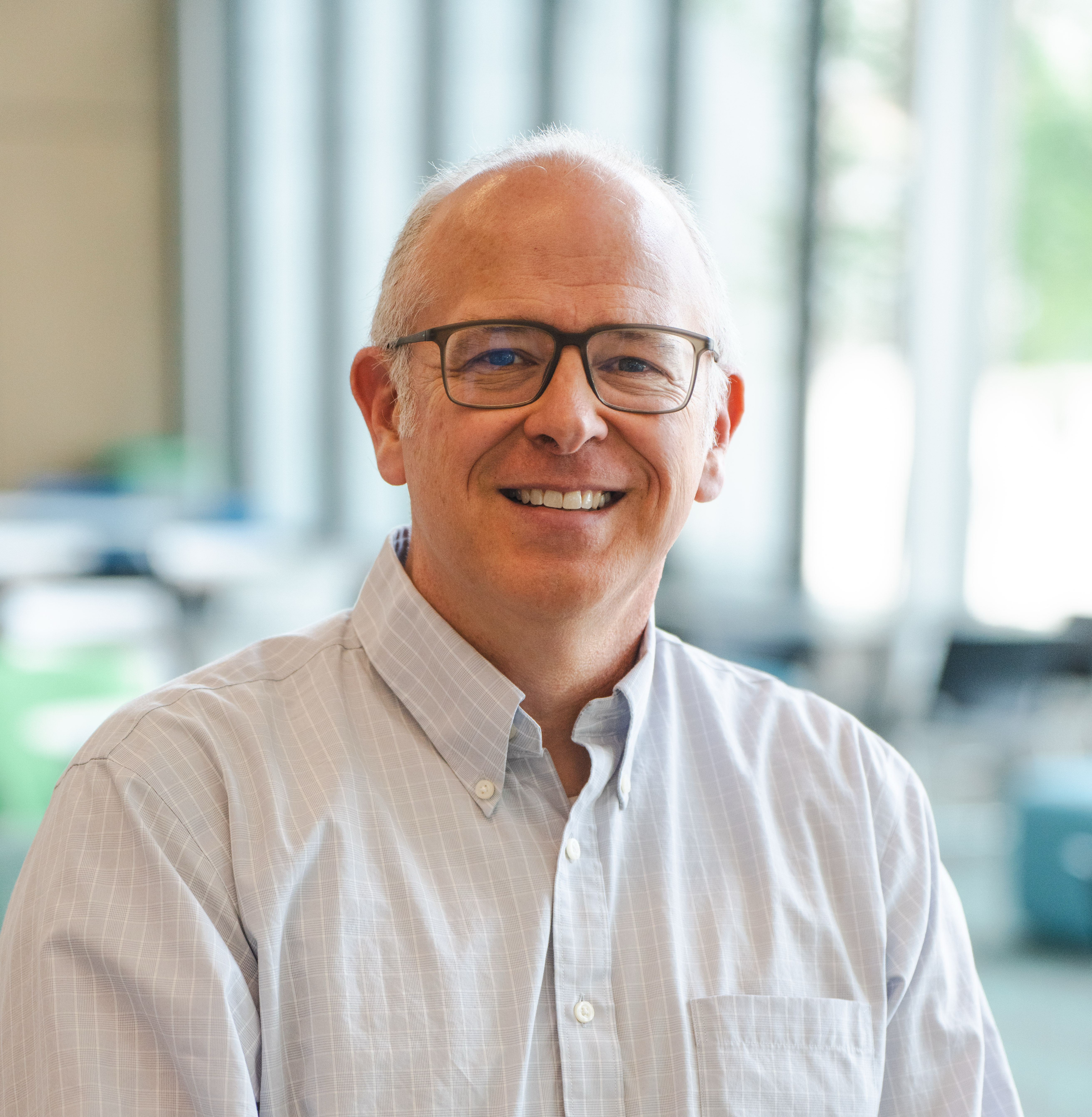
David's Story
In high school I was a show choir kid with a dream of going to Broadway. However, "encouraged" by my parents, I studied engineering during my first semester at WVU so I could get a "real job." But music kept calling to me, and I switched to Music Education the very next semester. When I transferred to Marshall University in 1993 I continued studying music... and was introduced to email.
The internet fascinated me. First email. Then Gopher and FTP. Then the World Wide Web. I was absolutely hooked on the web. I taught myself HTML by viewing the source code of other people's websites; first, using Lynx and later, Netscape Navigator. I knew the internet was going to change everything, and created my first startup - InterSpec - to train people in the Huntington area to use the internet. Soon I was making house calls configuring people's computers to dial in to the internet, creating websites for the City of Huntington and other local businesses, and helping the county school board setup a bank of modems so teachers could call in and connect to the internet for free.
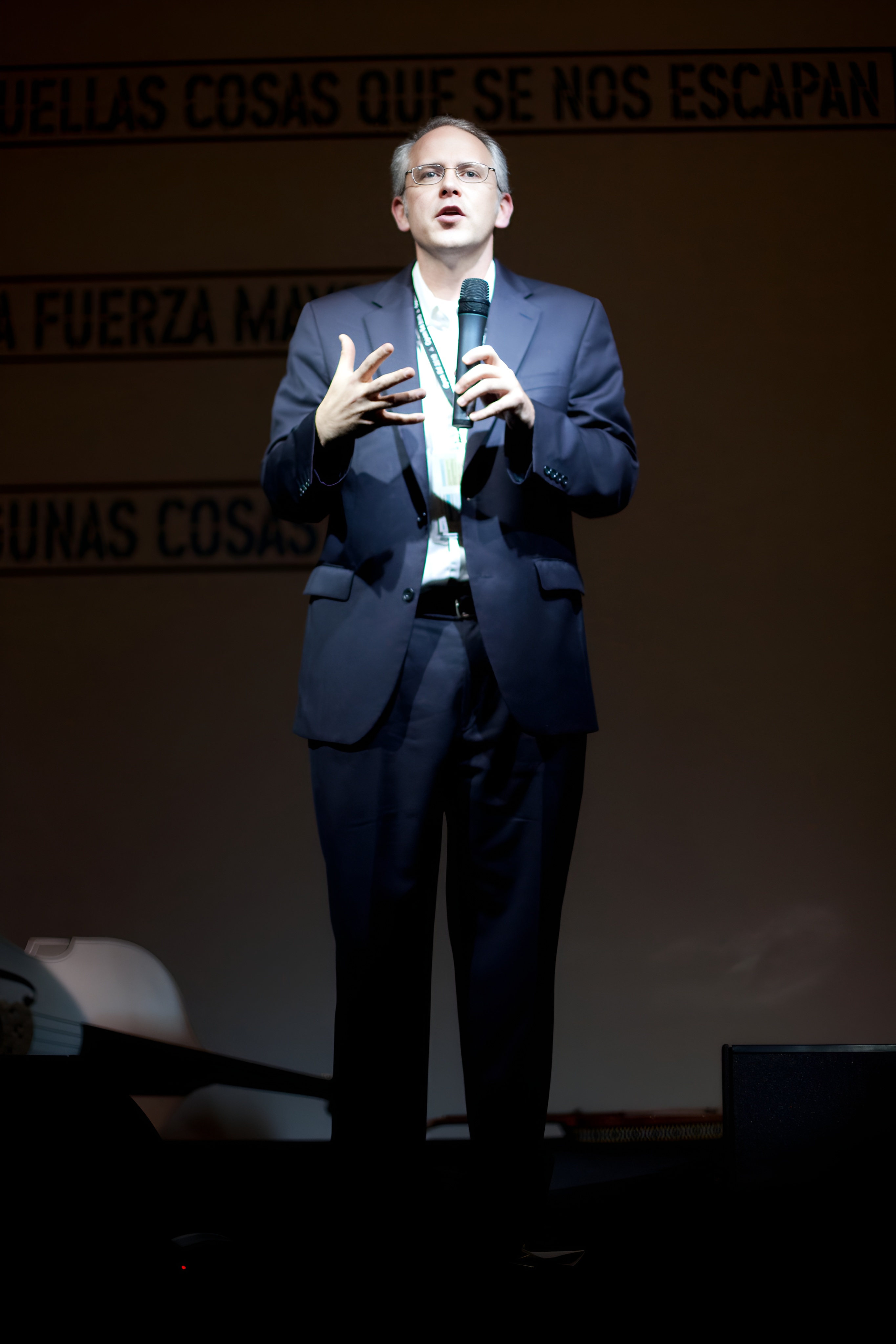
In 1997, Marshall offered me a job as the university's first webmaster. It was working in this role that my vision of how the internet could change education started to crystalize. Working on a Javascript calculator, I realized there was something powerfully different between a digital calculator embedded in a website and a physical calculator. Only one person at a time could use the physical calculator, but an almost infinite number of people could use the online calculator at the same time. This magical property of digital resources (which I would later learn economists refer to as being non-rivalrous), meant that we could create digital learning materials once and share them with everyone around the world! In early 1998, when the phrase "open source" was coined, I saw how these two forces could combine to revolutionize teaching and learning materials. While the open source community was focusing on software, I launched the Open Content Initiative, creating the world's first open source license for educational materials. (Years later, a UNESCO working group would rebrand open content as "open educational resources" or OER.) For almost 30 years now, in many roles with many organizations, I've advocated for combining the power of online resources with the power of openness to dramatically increase access to educational opportunity around the world.
In the early 2020s I saw history start to repeat itself. Generative AI began to arrive on campus - just as the internet had decades earlier - again, with the potential to transform everything. Instead of providing everyone, everywhere with access to learning materials as the internet had, generative AI is providing everyone, everywhere with real-time access to intelligence and expertise. Today, I work to combine the power of generative AI with the power of openness to both increase access to educational opportunity and increase the effectiveness and impact of those opportunities.
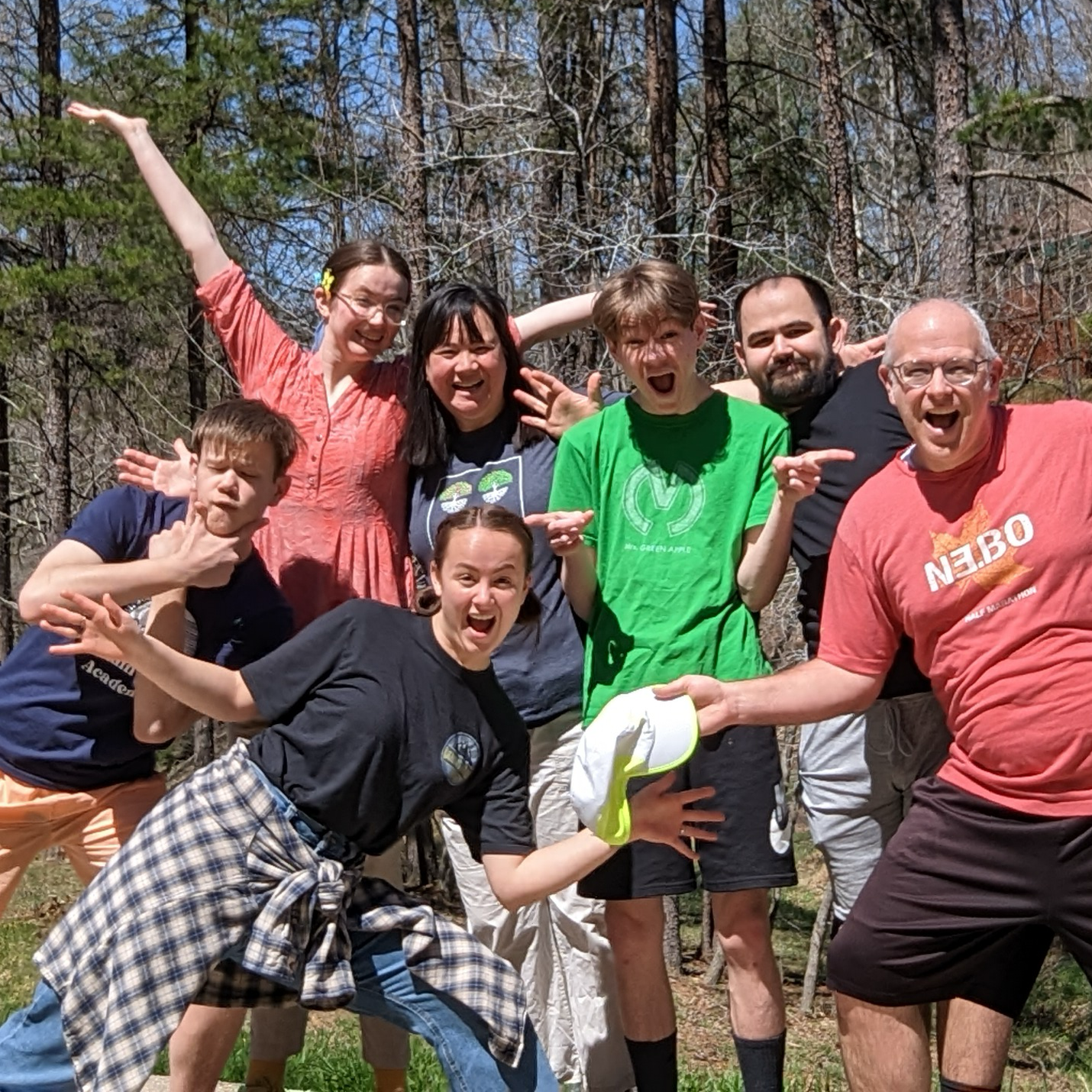
David currently resides in West Virginia with his wife Elaine and four of their five children, and is back in musical theater — playing John Hancock in a production of 1776. You can learn more about David at davidwiley.org.